

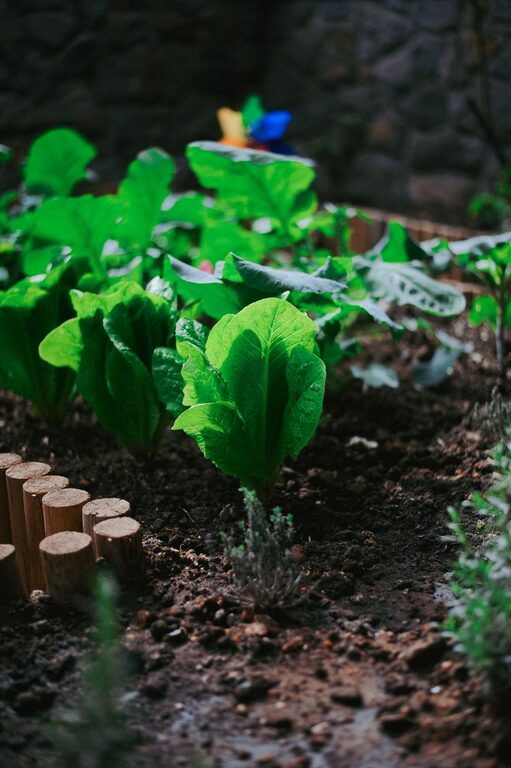
Creating a sustainable home garden throughout the year is a rewarding way to enjoy fresh produce, attractive plants, and a healthier environment. By adopting eco-friendly practices and planning carefully, you can nurture your garden sustainably regardless of the season. This guide offers practical tips to help you maintain a thriving garden that supports biodiversity and conserves resources.
Why Choose a Sustainable Garden?
A sustainable garden minimises negative impacts on the environment. It conserves water, promotes soil health, encourages wildlife, and reduces waste. Besides benefiting the planet, it often saves money and time by creating a garden that can largely look after itself.
Planning Your Sustainable Garden
Good planning is key to sustainability.
Select Native and Hardy Plants
Choose plants that are native or well adapted to your local climate and soil. These plants generally require less water, fertiliser, and protection from pests.
Plan for Year-Round Interest and Productivity
Mix edible plants with ornamental ones to enjoy fresh produce and beauty all year. Plan succession planting for vegetables to ensure continuous harvest.
Design for Water Efficiency
Arrange garden beds and features to make the best use of rainfall. Consider rainwater harvesting systems and swales to capture and hold water.
Soil Care and Composting
Healthy soil forms the foundation of a sustainable garden.
Test and Improve Your Soil
Know your soil type and amend it to promote drainage and fertility. Add organic matter to improve texture and nutrient content.
Compost Kitchen and Garden Waste
Composting reduces rubbish and provides a natural, nutrient-rich fertilizer. Use kitchen scraps, leaves, and garden clippings to create compost.
Mulch to Conserve Moisture
Apply a layer of organic mulch around plants to reduce evaporation, suppress weeds, and improve soil quality.
Water Wisely
Water conservation is essential, especially during dry spells.
Use Drip Irrigation or Soaker Hoses
These methods deliver water directly to the soil, minimising waste.
Water Early or Late
Watering in the early morning or late evening reduces evaporation.
Group Plants by Water Needs
Plant drought-tolerant species together and position water-loving plants where they can access moisture easily.
Encourage Biodiversity
Biodiversity boosts garden health and resilience.
Create Habitat Areas
Include birdhouses, insect hotels, and ponds to invite beneficial wildlife.
Avoid Chemicals
Pesticides and herbicides can harm helpful insects and soil life. Opt for natural pest control methods.
Grow a Variety of Plants
Diverse planting attracts different pollinators and helps prevent pest outbreaks.
Seasonal Garden Tips
Spring
– Start seeds indoors to give plants a head start
– Prepare beds early by adding compost
– Plant early vegetables like peas and lettuce
Summer
– Mulch heavily to retain moisture
– Harvest regularly to encourage production
– Monitor for pests and use natural controls
Autumn
– Sow cover crops to protect and enrich soil
– Plant bulbs and perennials for next year
– Collect fallen leaves for mulch or compost
Winter
– Protect tender plants with cloches or fleece
– Plan your garden layout and order seeds
– Prune dormant trees and shrubs
Sustainable Tools and Practices
– Use hand tools when possible to reduce energy use
– Repurpose materials for garden structures
– Choose organic seeds and plants
Conclusion
Creating and maintaining a sustainable home garden throughout the year takes some effort but brings many rewards. By focusing on native plants, soil health, water conservation, and biodiversity, you can enjoy a vibrant garden that supports the environment and your wellbeing. Start small and build your sustainable garden practices over time for the best results.