

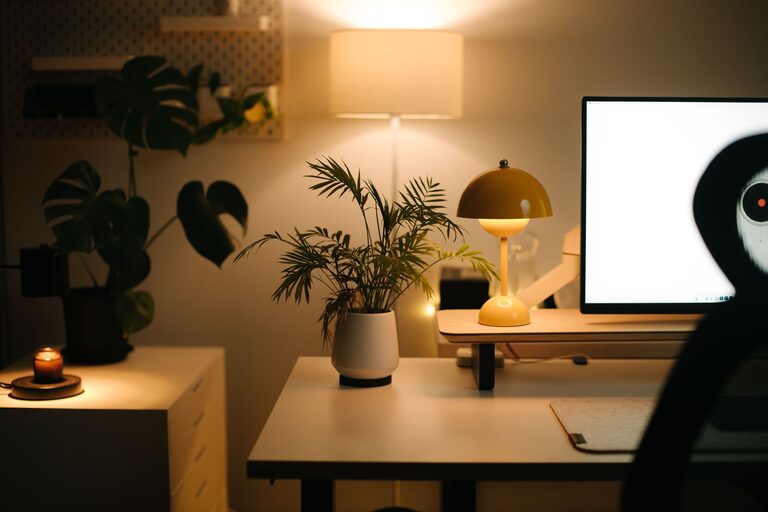
Working from home has become a regular part of many people’s lives. While it offers flexibility, it also comes with challenges—especially when it comes to creating a space that supports both productivity and relaxation. Having a well-organised, comfortable workspace can make a significant difference to your daily workflow and overall wellbeing.
Here are some helpful tips to design a home workspace that strikes the perfect balance between being relaxing and productive.
—
Choose the Right Location
Selecting an appropriate spot for your workspace is the first step.
– Quiet and Private: Pick a room or corner away from household noise and distractions.
– Natural Light: Position your desk near a window if possible. Natural light boosts mood and reduces eye strain.
– Ventilation: A well-ventilated area will keep the air fresh and help you stay alert.
If space is limited, consider a fold-away desk or a designated spot that can be tidied easily when not in use.
—
Invest in Comfortable Furniture
Your furniture has a direct impact on your comfort and focus.
– Ergonomic Chair: Choose a chair that supports good posture. It should be adjustable in height and provide lumbar support.
– Desk at Suitable Height: The desk should allow your forearms to rest comfortably while typing or writing.
– Footrest and Accessories: If your feet don’t reach the floor, a footrest can help. Use keyboard and mouse pads to reduce strain.
Comfortable seating helps prevent fatigue and discomfort during long hours.
—
Keep Your Workspace Organised
Clutter can increase stress and reduce efficiency. Aim for tidy and functional setup.
– Use Storage Solutions: Drawers, shelves, and organisers help keep papers and office supplies in place.
– Cable Management: Use clips or cable ties to prevent wires from tangling.
– Daily Tidying: Spend a few minutes at the end of each day to clear your desk.
An organised space makes it easier to focus on your tasks without unnecessary distractions.
—
Personalise Without Overdoing It
Adding personal touches can increase your enjoyment of the space, but moderation is key.
– Inspiring Items: Photos, artwork, or plants that lift your mood.
– Calming Colours: Soft blues, greens, or neutral shades tend to be relaxing.
– Avoid Excess: Too many decorations can create visual noise and reduce focus.
Find a balance that reflects your personality and motivates you.
—
Set Up Proper Lighting
Good lighting reduces eye strain and enhances alertness.
– Layered Lighting: Combine natural light with overhead and task lighting.
– Adjustable Desk Lamp: Allows you to focus light where it’s needed.
– Avoid Glare: Position screens to prevent reflections from windows or lamps.
Proper lighting helps create a comfortable working environment throughout the day.
—
Minimise Distractions and Noise
Creating a calm atmosphere means reducing interruptions.
– Noise Reduction: Use rugs, curtains, or acoustic panels to absorb sound.
– Headphones: Noise-cancelling headphones or calming background music can improve concentration.
– Limit Notifications: Turn off non-essential phone or computer alerts during work periods.
A quieter environment supports sustained focus and reduces stress.
—
Incorporate Break and Relaxation Elements
A relaxing workspace also encourages regular breaks to refresh your mind.
– Comfortable Seating Area: If space allows, have a chair for short breaks away from your desk.
– Plants or Nature Views: These have been shown to lower stress and improve mood.
– Hydration and Snacks: Keep water and healthy snacks handy to maintain energy.
Taking breaks is essential to maintain productivity and prevent burnout.
—
Use Technology Wisely
Technology should support—not distract from—your work.
– Reliable Equipment: Use a good-quality computer, fast internet, and necessary peripherals.
– Organised Digital Files: Keep digital folders tidy to avoid wasting time searching.
– Time Management Tools: Apps or timers can help structure your workday and remind you to take breaks.
Managing technology effectively allows smoother and more focused work sessions.
—
Establish and Maintain Boundaries
Finally, to create a truly effective workspace, clear boundaries matter.
– Define Work Hours: Set specific work times to separate professional and personal life.
– Inform Household Members: Let others know your schedule to minimise interruptions.
– End-of-Day Routine: Clear your workspace and switch off work devices to mark the end of the day.
These boundaries help promote a healthy work-life balance and keep your workspace a positive place.
—
Final Thoughts
Creating a relaxing and productive home workspace is about thoughtful planning and mindful habits. By focusing on comfort, organisation, lighting, and boundaries, you can design a space that supports both your mental wellbeing and work goals. Remember, the ideal workspace is one that works for you personally—feel free to experiment and adjust until you find your perfect balance.