

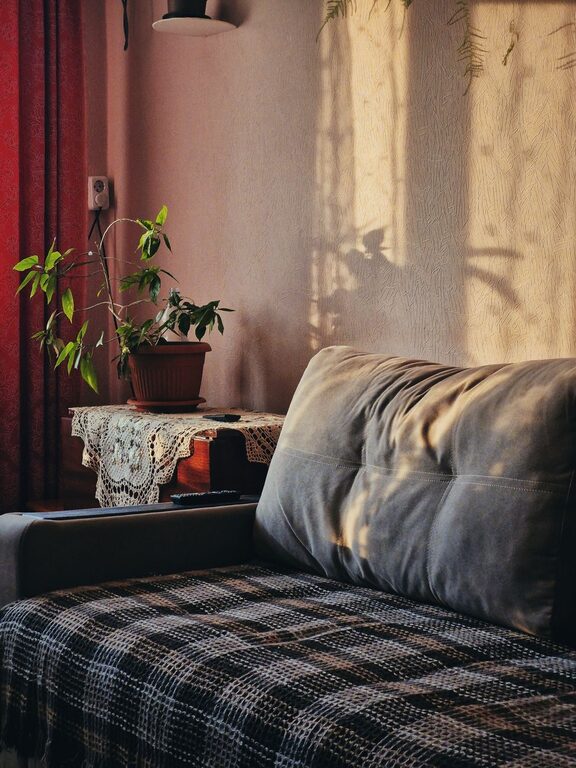
Creating a relaxing home environment doesn’t require a complete makeover or expensive renovations. With a few thoughtful, simple decor changes, you can transform your living space into a calm sanctuary that helps reduce stress and promotes wellbeing. Whether you want to unwind after a long day or just enjoy a more peaceful atmosphere, these practical tips will guide you in making your home feel more relaxing and inviting.
Why a Relaxing Home Environment Matters
Our homes are where we spend most of our time, so the way they look and feel can have a big impact on our mood and mental health. A relaxing space encourages comfort, reduces anxiety, and supports restful sleep. Small updates to colours, lighting, furniture arrangement, and accessories can make all the difference.
Choose Calming Colours
Colour has a strong influence on how a room feels. To create a soothing atmosphere:
– Opt for soft, neutral tones like beige, pale grey, soft white, or muted pastels.
– Shades of blue and green are known for their calming properties as they remind us of nature.
– Avoid overly bright or harsh colours that can feel stimulating or overwhelming.
– Consider repainting walls or adding accessories like cushions, throws, or rugs in these colours for an easy refresh.
Improve Lighting for a Gentle Ambience
Lighting plays a crucial role in setting the mood of a room. Here’s how you can adjust lighting to create a relaxing environment:
– Use warm light bulbs rather than harsh white fluorescents or cool LEDs.
– Layer your lighting with a mix of ceiling lights, table lamps, and floor lamps to create soft zones of light.
– Add dimmer switches so you can control brightness depending on the time of day and activity.
– Minimise glare by using lampshades or frosted bulbs.
– Incorporate natural light during daytime—keep windows uncovered or use light, airy curtains.
Declutter and Simplify
Clutter can stress the mind and make a room feel chaotic. Simplifying your space can promote calmness:
– Clear surfaces of unnecessary items and organise your belongings.
– Use storage solutions like baskets, boxes, or shelving to keep items tidy.
– Keep décor simple—choose a few meaningful items rather than overcrowding spaces.
– Regularly review and donate or recycle things you no longer need.
Add Natural Elements
Bringing nature indoors boosts calmness and improves air quality:
– Add houseplants such as snake plants, peace lilies, or succulents, which are low maintenance and visually pleasant.
– Consider natural materials for furniture and accents like wood, rattan, or cotton.
– Display fresh flowers for a touch of colour and fragrance.
– If possible, create a small indoor herb garden in the kitchen for both greenery and utility.
Use Textures to Enhance Comfort
Texture adds depth and a cosy feel to your rooms:
– Incorporate soft fabrics like wool, linen, or velvet in cushions, throws, and upholstery.
– Layer rugs to provide warmth underfoot.
– Mix smooth and tactile materials to keep the environment interesting yet calming.
– Avoid harsh or uncomfortable surfaces that may detract from relaxation.
Create Designated Relaxation Zones
Designate specific areas in your home especially for unwinding:
– Arrange a comfy chair or window seat with cushions and a small side table for a reading nook.
– Create a meditation corner with a floor cushion and subtle décor.
– Use screens or rugs to define relaxation zones even in larger open-plan spaces.
– Keep these areas free from distractions like electronics to foster peacefulness.
Add Personal Touches with Meaning
Personalised décor can provide comfort and joy:
– Display photos or artwork that remind you of happy memories.
– Use scented candles, essential oil diffusers, or dried flower sachets with calming fragrances such as lavender or chamomile.
– Incorporate items that reflect your hobbies or interests to make spaces feel truly yours.
Maintain Freshness and Cleanliness
A clean and fresh environment automatically feels more relaxing:
– Regularly dust and clean surfaces to prevent buildup.
– Open windows when possible to circulate fresh air.
– Wash curtains and cushions periodically.
– Use subtle air fresheners or natural cleaning products to avoid overwhelming scents.
Practical Tips for Small Spaces
Even in limited space, you can create relaxation:
– Use multifunctional furniture like ottomans with storage or fold-away desks.
– Keep colour schemes light and consistent to open up the room visually.
– Use mirrors to enhance light and the feeling of space.
– Prioritise floor space to avoid overcrowding.
—
By focusing on these simple decor changes, you can create a home that feels calm and nurturing without the need for major projects. Start with small steps like adding plants or switching to warm lighting and build from there to turn your living space into the relaxing retreat you deserve. Remember, your home should be a place where you can pause, breathe, and simply enjoy being.