

Creating a relaxing home office environment can significantly improve your productivity and well-being. With many people working from home, designing a workspace that helps you stay focused while feeling calm is more important than ever. This guide offers practical tips to help you craft a home office that supports your work and mental health.
Why a Relaxing Home Office Matters
Your workspace influences how you feel and perform. A stressful or cluttered environment can lead to distractions, lower motivation, and fatigue. Conversely, a well-designed, relaxing office can help reduce stress, boost creativity, and promote better work habits.
Choose the Right Location
Start by selecting a suitable spot in your home for your office. Ideally, this should be a quiet area with minimal foot traffic. If possible, avoid working in places associated with relaxation, such as your bedroom or living room, to help maintain a clear separation between work and rest.
Optimise Natural Light
Natural light has a positive effect on mood and alertness. Position your desk near a window to take advantage of daylight. Avoid glare on your computer screen by adjusting curtains or blinds. If natural light is limited, consider full-spectrum or daylight bulbs to mimic natural lighting and reduce eye strain.
Use Comfortable and Supportive Furniture
Invest in a good-quality office chair with ergonomic support to maintain good posture. Your desk should be at a comfortable height to prevent strain in your neck, shoulders, and wrists. Adjustable furniture allows you to personalise your workspace and maintain comfort throughout the day.
Keep Your Space Organised
A tidy workspace helps your mind stay clear and focused. Use storage solutions like shelves, filing cabinets, and organisers to keep paperwork and supplies in order. Clear your desk of unnecessary items daily to maintain an uncluttered environment.
Practical Organisation Tips
– Sort and file documents regularly to avoid piles
– Use drawer dividers for stationery
– Label boxes and folders for easy identification
– Keep frequently used items within arm’s reach
Incorporate Calming Colours
Colour affects mood and productivity. Soft, neutral tones like pale blues, greens, or greys create a relaxing atmosphere. Avoid overly bright or distracting colours. You might consider painting one wall in a soothing shade or adding accessories such as cushions, rugs, or artwork in calming hues.
Add Natural Elements
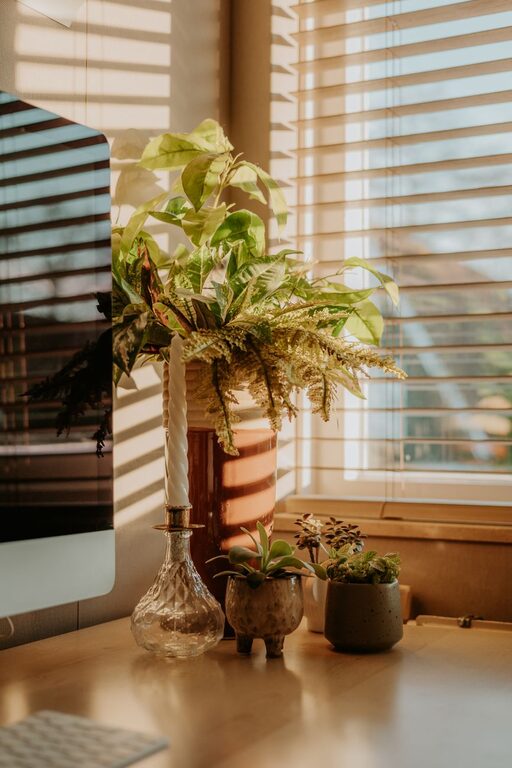
Bringing nature indoors has been shown to reduce stress and improve focus. Place some houseplants on your desk or nearby shelves. Plants not only add colour but also improve air quality. If space or lighting makes growing plants difficult, consider natural wood items or images of nature.
Manage Noise Effectively
Noise distractions can quickly break your concentration. If your home is noisy, use noise-cancelling headphones or play gentle background music or white noise to mask interruptions. You might also invest in soundproofing materials like rugs, curtains, or acoustic panels.
Personalise Your Workspace
Adding personal touches can make your office feel welcoming and inspiring. Photos, meaningful objects, or motivational quotes can motivate you during work. Just be careful not to overcrowd your space, as too many items can create visual clutter.
Set a Daily Routine
A relaxing office is part of a healthy work routine. Start your day with clear objectives and take regular breaks. Use reminders to stand, stretch, or practise breathing exercises to reduce tension. Consider scheduling time for short walks outdoors to refresh your mind.
Limit Digital Distractions
Technology is essential for remote work but can also cause distractions. Turn off non-essential notifications on your devices. Use apps or browser extensions to block distracting websites during work hours. Keep your phone away from your desk if possible.
Maintain Clean Air and Good Ventilation
Fresh air helps keep you alert and comfortable. Open windows when possible or use an air purifier to improve indoor air quality. Avoid working near sources of pollution or dampness to promote a healthy environment.
Lighting for Evenings
If you work into the evening, use warm, soft lighting rather than harsh overhead lights to reduce eye strain and help maintain a relaxed mood. Desk lamps with adjustable brightness can provide focused light without disturbing the rest of the room.
—
By following these tips, you can create a home office space that feels inviting, reduces stress, and supports your productivity. Remember that small changes can make a big difference in how you experience your workday. Prioritise comfort, organisation, and a calm atmosphere to enjoy both your work and your home.