

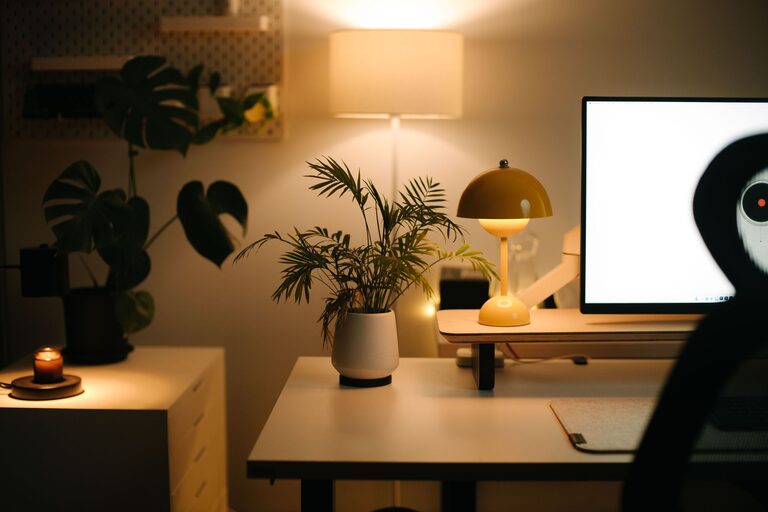
Creating a relaxing home workspace is essential for anyone looking to improve both productivity and overall well-being. Whether you work remotely full-time or occasionally, your environment plays a key role in how focused and comfortable you feel throughout the day. Here are some practical tips and ideas to help you design a workspace that supports your best work while keeping stress levels low.
Why a Relaxing Workspace Matters
Your work environment affects your mood, energy, and ability to concentrate. A cluttered or noisy workspace can lead to distractions and fatigue, while a well-arranged, peaceful setting encourages focus and calm. Investing time into creating a sanctuary for work helps you separate professional tasks from home life and promotes a healthier routine.
Choose the Right Location
Finding the best spot in your home for a workspace is fundamental. Ideally, select a quiet area with minimal foot traffic and distractions. If space is limited, dedicate a specific corner or even a cupboard that you can transform into your work nook. Consistency in using the same place each day will train your mind to associate the area with work and focus.
Consider Natural Light
Natural light boosts mood and alertness, so position your desk near a window if possible. Avoid glare on screens by placing your monitor at an angle to the light source. If natural light is scarce, invest in good-quality daylight bulbs to brighten your workspace evenly.
Invest in Comfortable Furniture
Comfort is crucial, especially if you spend long hours working. Choose an ergonomic chair that supports your back and encourages good posture. Your desk should be at a height where your arms bend at roughly 90 degrees when typing. Adjustable furniture can be a useful investment, allowing you to switch between sitting and standing to reduce stiffness.
Keep Ergonomics in Mind
– Use a separate keyboard and mouse if working on a laptop.
– Position your screen so the top of the monitor is at eye level.
– Take regular breaks to stretch and rest your eyes.
Declutter and Organise
A clear desk equals a clear mind. Remove unnecessary items and keep only the essentials within reach. Use organisers, trays, or drawers to sort stationery and documents neatly. Label storage boxes and files to find things quickly and minimise time wasted searching.
Add Calming Elements
Incorporating calming features into your workspace can promote relaxation and mental clarity.
Plants
Indoor plants improve air quality and add a touch of nature, which has a soothing effect. Choose low-maintenance plants like succulents or spider plants if you prefer something easy to care for.
Colours
Soothing colours like soft blues, greens, and neutrals help reduce stress. Consider painting an accent wall or using accessories like cushions, rugs, or curtains in calming shades.
Lighting
Avoid harsh fluorescent lighting. Use lamps with warm bulbs or fairy lights to create a gentle ambience, especially in the evenings.
Set Boundaries and Minimise Distractions
When working from home, maintaining boundaries is key.
– Establish clear work hours to separate professional and personal time.
– Inform household members about your schedule to reduce interruptions.
– Use noise-cancelling headphones or play gentle background music to drown out household sounds.
– Turn off notifications on your phone or computer when concentrating on tasks.
Personalise Your Space
Adding personal touches can make your workspace inviting and inspiring. Display photographs, motivational quotes, or artwork that energises you. Just be careful not to overcrowd the space — maintaining balance is important for a relaxing atmosphere.
Maintain Good Air Quality
Fresh air contributes to alertness and health. Open windows regularly to let in fresh air, or use an air purifier if necessary, especially in smaller or enclosed spaces.
Prioritise Regular Breaks
No workspace design can replace the benefits of taking breaks. Step away from your desk every hour to stretch, move around, and rest your eyes. Even a few minutes outside can boost concentration and reduce fatigue.
Final Thoughts
A relaxing home workspace is achievable with thoughtful planning and simple adjustments. By choosing the right location, investing in comfortable furniture, keeping your area tidy, and incorporating elements that calm the mind, you create an environment that supports both your productivity and well-being. Remember, your workspace should work for you — tailored to your needs and style to make working from home a positive experience.